
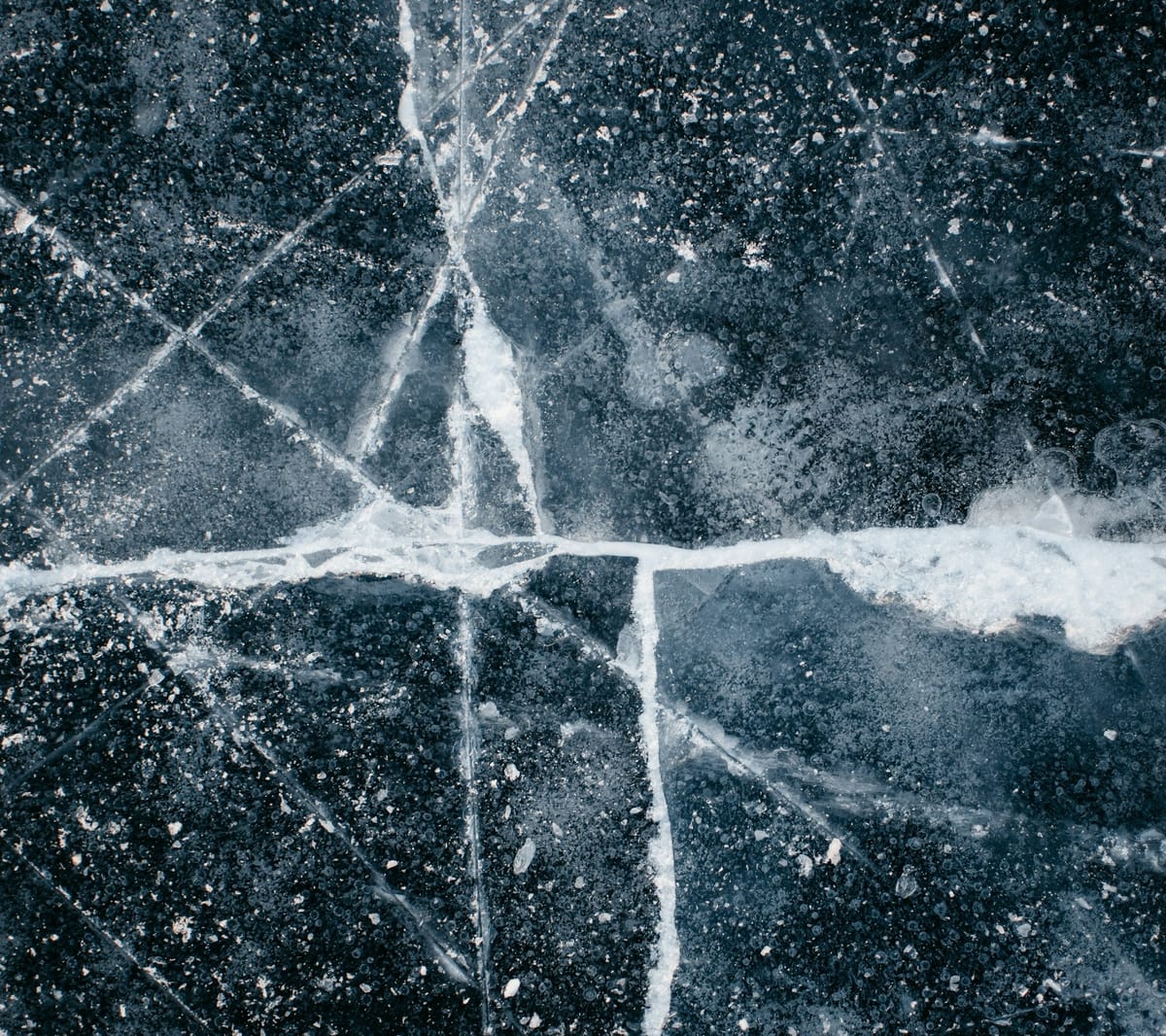
I’m facing another “historical storm,” this time an ice storm, and the reality of possibly being off the grid for days. Drawing from my experience during Hurricane Helene, I’m sharing what I learned about tech, access, and preparation—because we take connectivity for granted until it’s gone.
Well… I’m now at the eve, eve of another “historical storm” heading right toward me. This time though, it is an ice storm. 🥶 I get the irony of this happening as an immigrant, smh 🤦🏻♀️
To say that I’m frustrated is putting it mildly. Not only am I working my tush off to build my business and basic economic survival for my family, but now I am literally going to be taken off the grid for what could be 5–7 days.
My hope is that you see me coming back here and updating this post with a “wow, was I pessimistic!”
…but I’m not holding my breath.
This time, having no power for multiple days will hit much harder because it is wintertime and we have no alternative heat. We live in an area that, well, is a bit rural.
I wrote the post below based on my experience with Helene. It is once again relevant. I hope it helps someone.
One thing I hadn’t thought about this time is how my tech will fare in really cold temps. If there is any tech - Sony camera? computer? microphones? - that might not do so well, drop a comment. And maybe a how-to on keeping it, um… “warm”? 🫣
What Helene Taught Me About Tech and Access
I’ve been having big thoughts about tech amidst natural disaster.
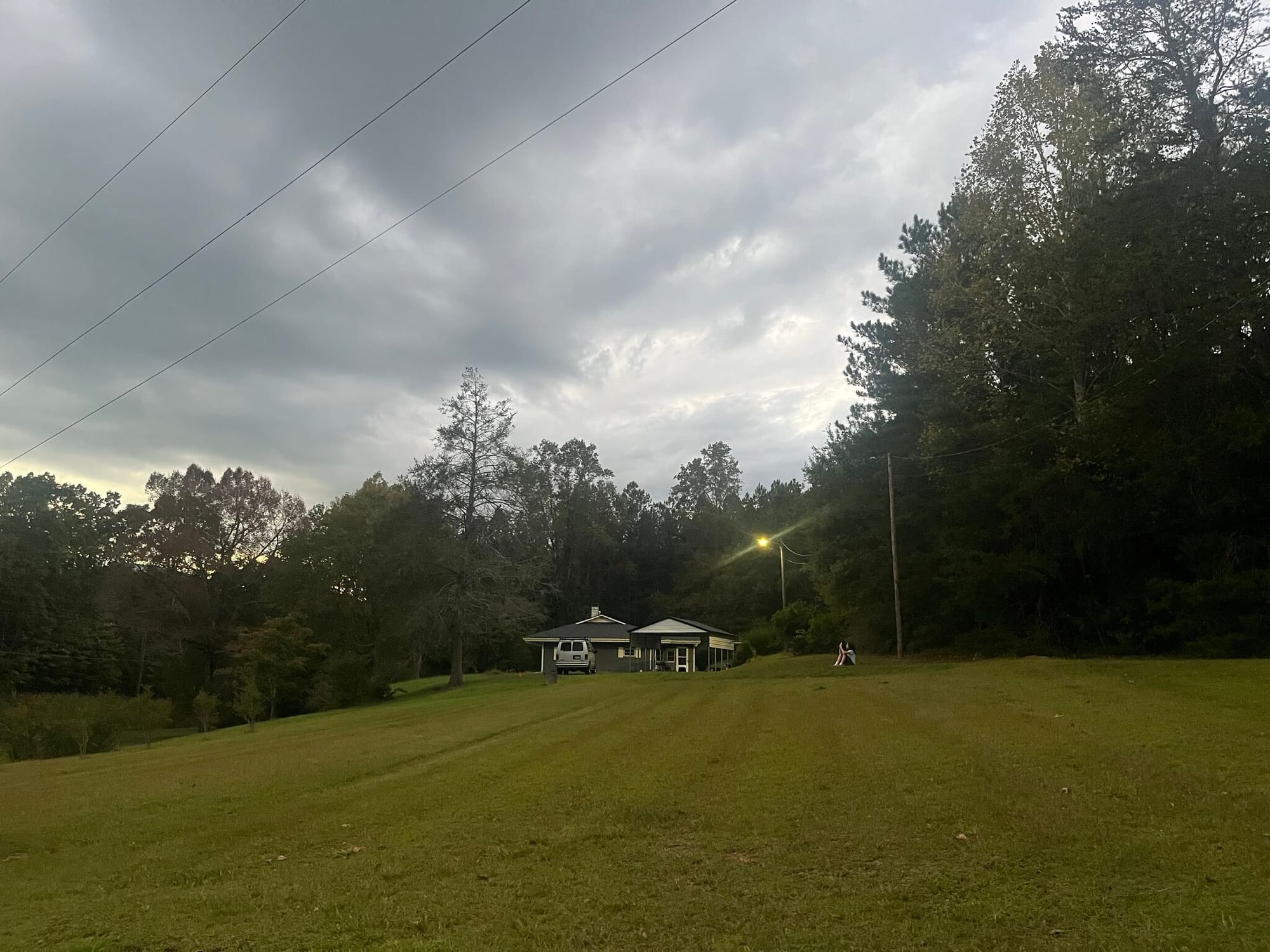
My family is okay. Our home is okay. We are incredibly fortunate to have been minimally impacted by Hurricane Helene. We never lost water, and we got power and Wi-Fi back on October 2.
Nearby Lake Lure and Chimney Rock, however, are devastated. (I shared a video in the comments at the time showing what things looked like on the ground.)
On episode 279 of The Feed, I talked about tech in disasters. Here are the three key takeaways that mattered most in real life—not in theory.
Manage power aggressively
Conserving power is critical.
- Activate low power mode or create an automation that keeps devices in low power mode
- Manually turn off cellular connectivity for most apps - only keep the essentials
- Your device constantly searching for networks that don’t exist anymore is one of the biggest power drains
Anytime you’re not actively sending a text or making a call, switch your phone to airplane mode.
Bonus:
Don’t rely only on rechargeable battery packs. Make sure you also have devices that run on standard batteries.
And yes - go buy batteries.
Download critical content for offline access
If you know something is coming, download.
Streaming or relying on cloud services during emergencies is like wearing Jimmy Choos in a landslide.
Set your favorite podcasts to automatically download the latest episodes as soon as they’re released. That way, even if you forget, they’re already there when you need them.
Also download audiobooks, music, and anything else you might want or need.
For example: I have all 58 hours of The Complete Sherlock Holmes downloaded because, duh, Sherlock Holmes. Plus Simon Vance’s narration is dreamy and helps me fall asleep.
Have backup communication tools
Phones are great - until there’s no internet or cellular service.
Without connectivity, your smartphone becomes a fancy media device with a handful of helpful features. It is useless for actual communication.
Always have a backup.
Walkie-talkies are incredibly helpful for staying in touch with family or people nearby when cellular networks go down.
Bonus:
If you don’t have a weather radio or another battery-powered radio, get one.
Bonus 2:
Consider investing in Starlink hardware or another satellite-based device as a backup.
We take access for granted.
Don’t.
How to Support This Work
If this post helped you - practically, emotionally, or simply by naming something you’ve been holding quietly—you can support my work by joining Multimodalee™.
There are three tiers: free, supporting, and founding. Each one helps sustain this work in different ways and makes it possible for me to keep writing, teaching, advising, and building in public.
This is how we keep going!
See you on the other side of the ice! GAH!!!
Comments ()